|Freitag, Oktober 16, 2026
Florenz, Italien - Historisches Zentrum, Oltrarno und umliegende Museumsviertel
Zurück zu history
culture
History of the Florence Card: Why Integrated Passes Emerged
Understand how Florence's historical urban structure led naturally to modern museum pass systems.
4/15/2026
16 min read
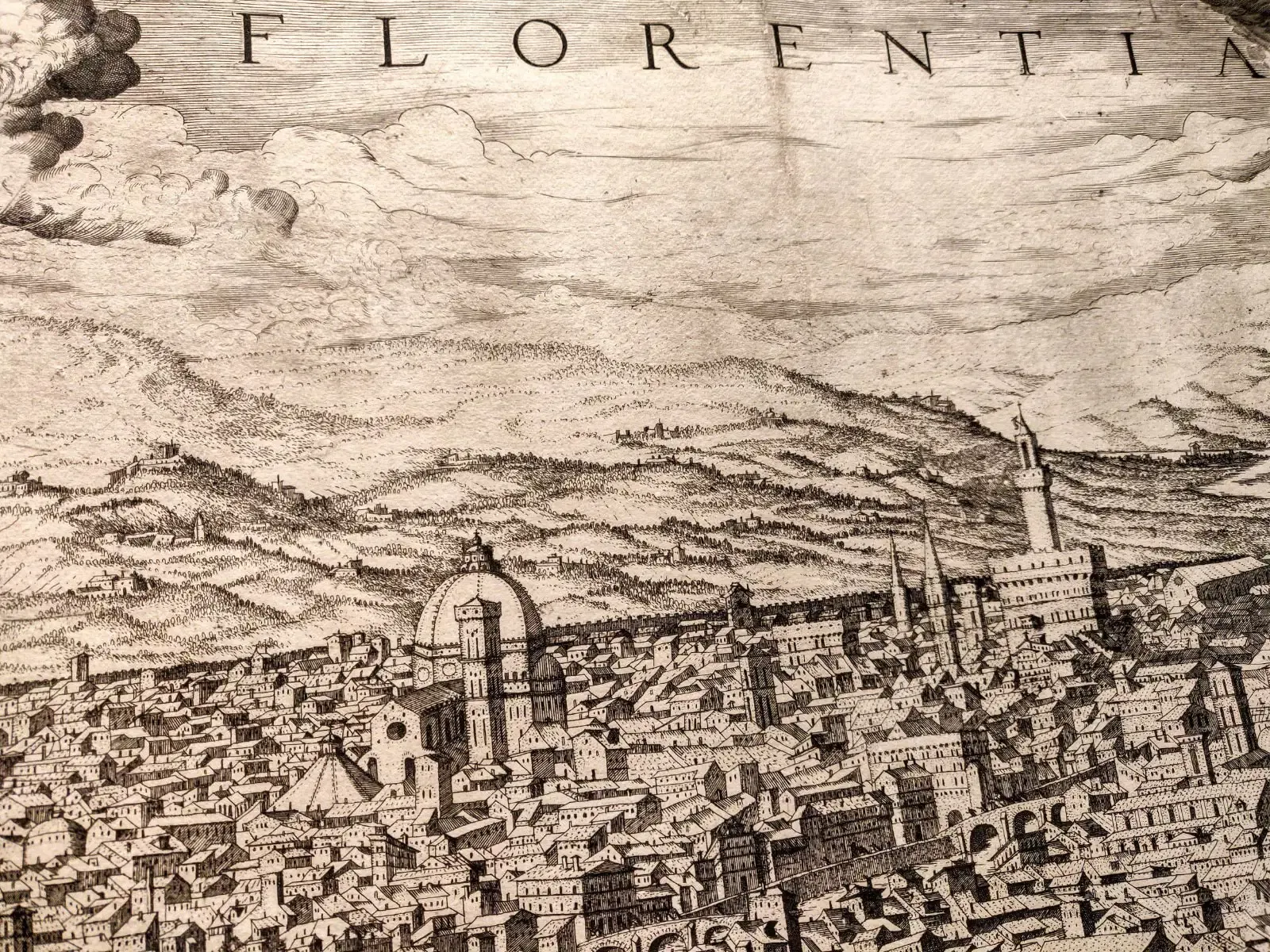
The Florence Card is modern infrastructure built on an old idea: guiding movement through prestige spaces.
Then vs Now
| Medieval/early modern Florence | Contemporary Florence |
|---|---|
| Pilgrim and merchant routes | Museum and heritage corridors |
| Guild and church authority | Institutional ticket networks |
| Civic spectacle | Cultural economy branding |
Four Historical Layers
- Commune identity and public architecture.
- Medici patronage and cultural concentration.
- National museum institutionalization.
- Overtourism response through integrated access tools.
The pass is not just pricing. It is urban choreography.
Why This Matters for Visitors
- You move along curated flows, not random maps.
- Secondary venues gain visibility through the same network.
- Neighborhood traffic becomes more balanced over time.
Reading Prompt
Ask in each site:
- Who designed this flow?
- What behavior is being encouraged?
- Which places benefit when crowds redistribute?
Bottom line
The Florence Card is the newest layer of an old Florentine habit: organizing civic life through culture.
Über den Autor

Florence Pass Editorial Team
Dieser Guide wurde fuer Reisende geschrieben, die die Florence Card jenseits von Werbetexten verstehen wollen: was sie tatsaechlich beinhaltet, wie man sie intelligent taktet und wie man Florenz mit mehr Tiefe und weniger organisatorischem Druck erlebt.
Tags
Florence History
Florence Card
Museums
Policy
Renaissance
Comments (0)
Leave a Comment
Loading comments...